Are Solid Color Epoxy Garage Floors Worth It?

Solid Color Epoxy Garage Floors — The Clean, Modern Look Arizona Homeowners Are Choosing
Key Takeaways:
- Solid color epoxy delivers a seamless, uniform finish that chip-and-flake systems cannot match — it’s the closest a garage floor gets to a polished showroom surface.
- Arizona’s intense UV exposure and thermal cycling make the pigmented polyurethane topcoat (not just epoxy alone) essential for long-term color stability and crack resistance.
- AZ Garage Floors offers 24 standard solid colors plus safety options, with a Fast-Poly 545 upgrade that puts your garage back in full use within 24–48 hours.
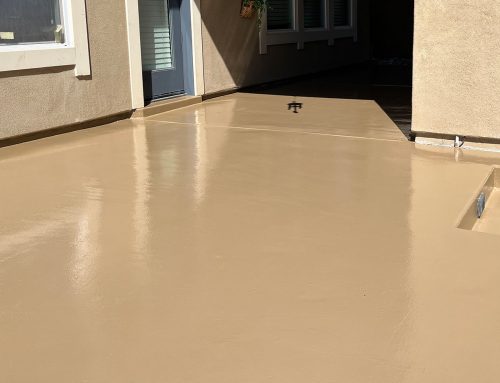
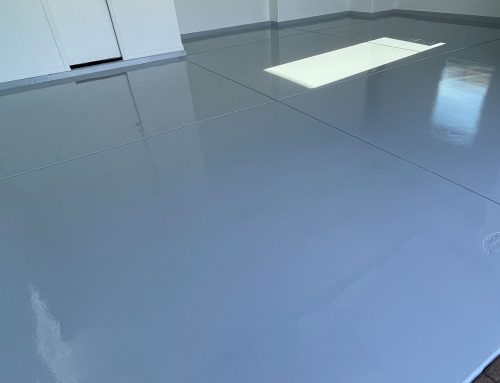
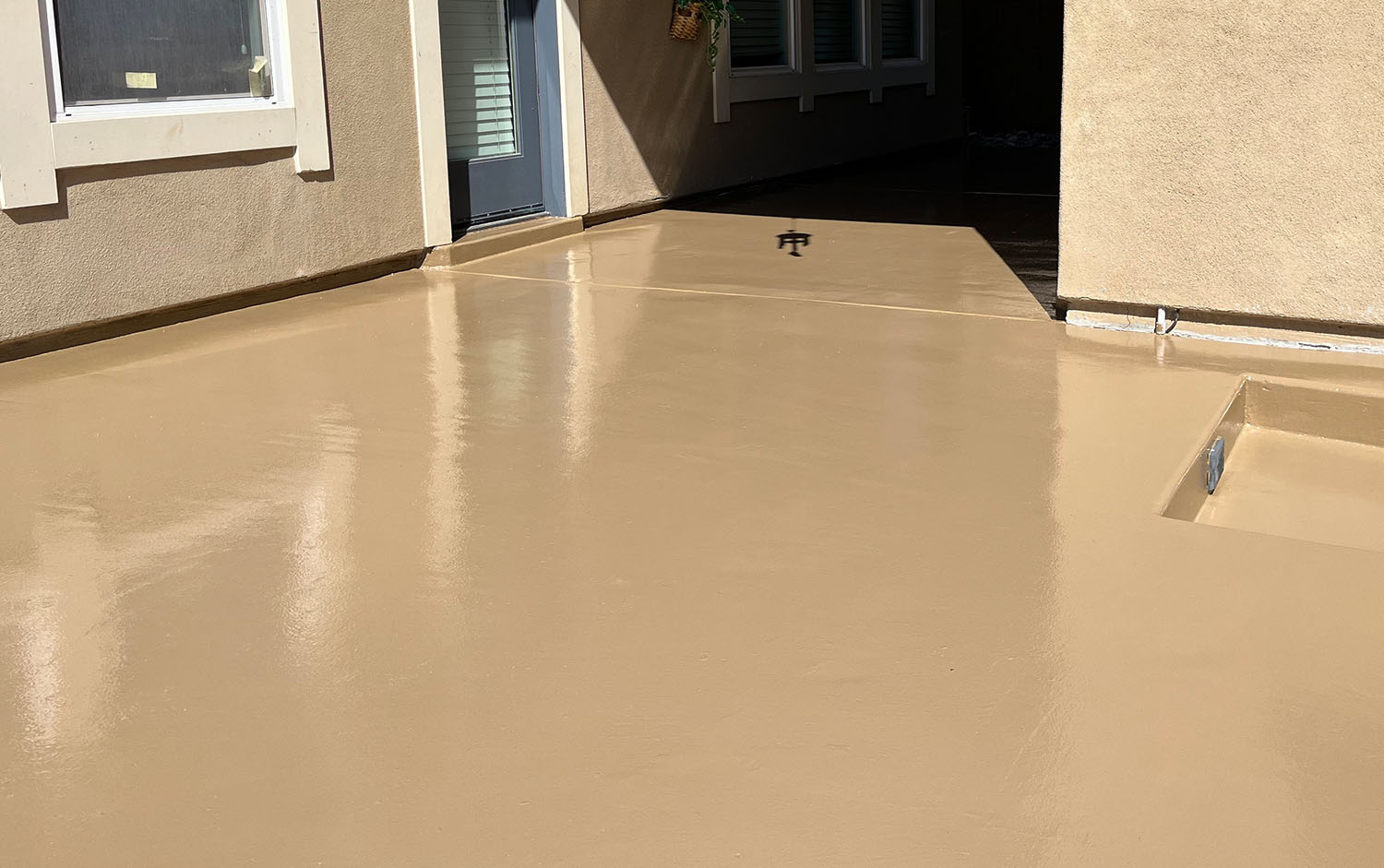
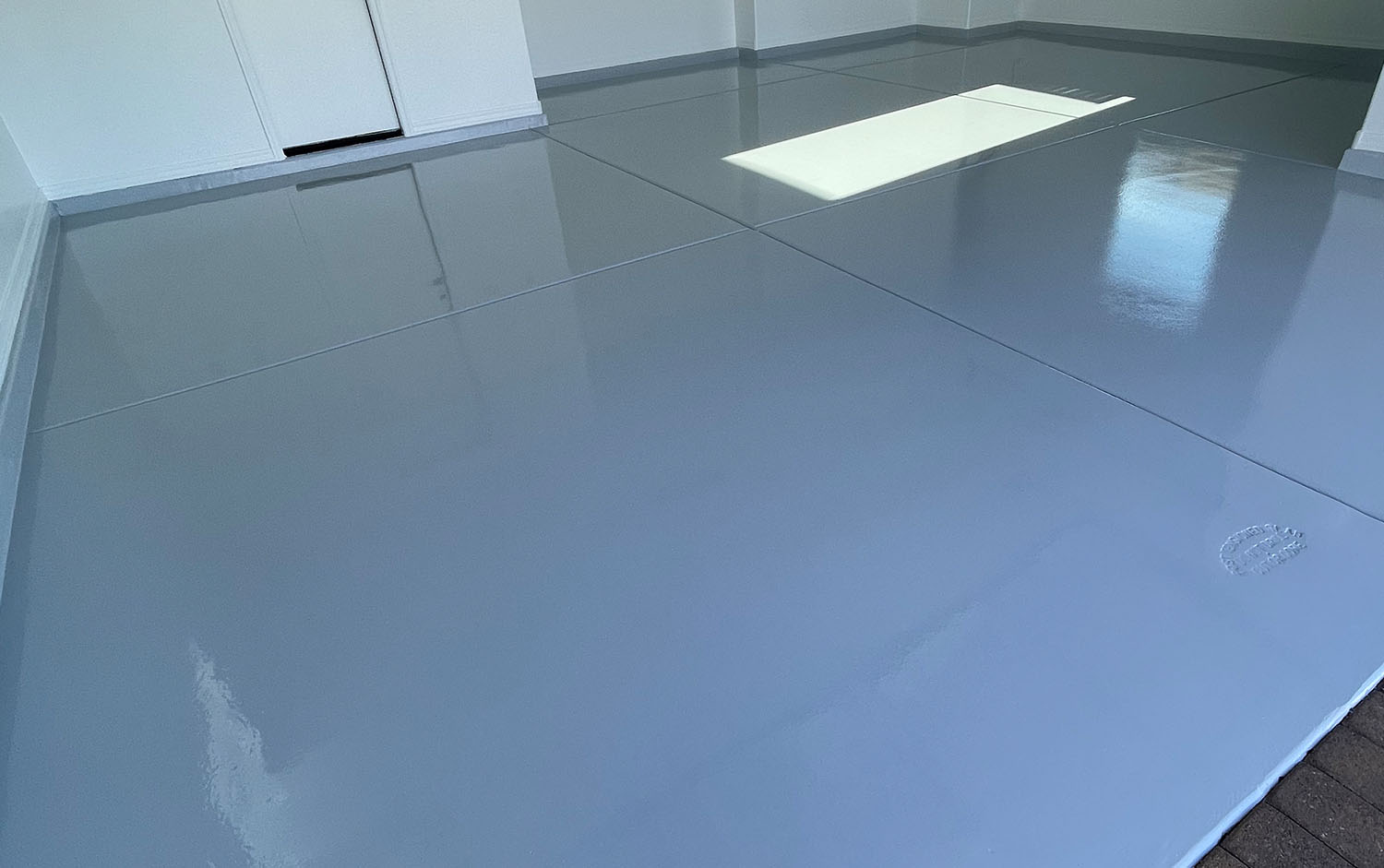
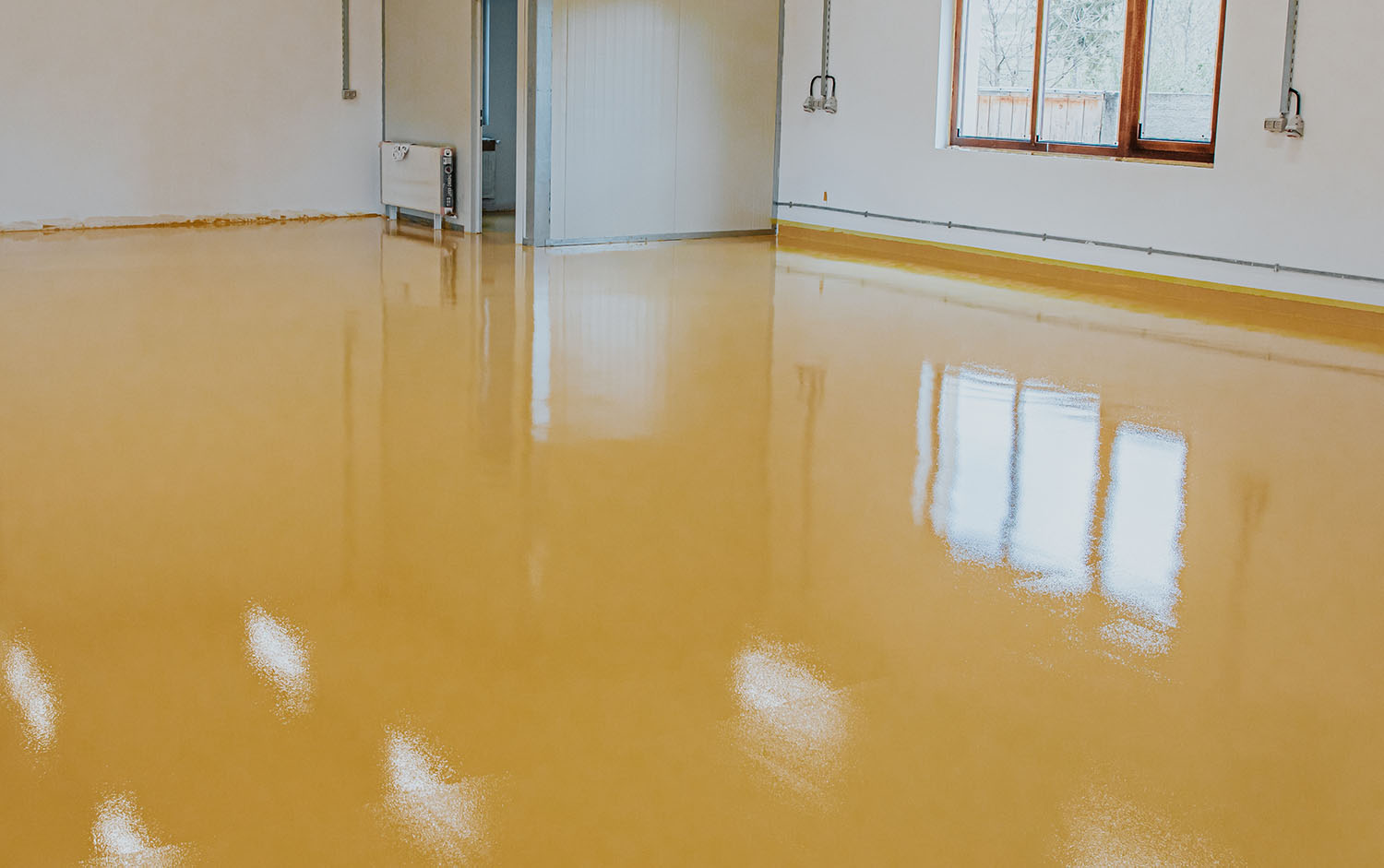
The cleanest-looking garage floor finish available in Arizona is a solid color epoxy system — a seamless, high-gloss surface with no flakes, no texture variation, and no visual noise. If your home has a modern interior or a neutral exterior palette and you want the garage to follow suit, this coating delivers exactly that.
What the Solid Color System Actually Is
Most people associate epoxy garage floors with the speckled chip look. That’s a legitimate system, but it’s a different product philosophy. A solid color epoxy garage floor that Phoenix, AZ homeowners are increasingly requesting is a two-coat system: a pigmented epoxy primer as the base layer, followed by a pigmented polyurethane topcoat.
The primer isn’t just tinted paint. It penetrates the concrete surface and bonds at a chemical level, which is what gives the finished floor its durability and adhesion. The topcoat — a polyurethane rather than a second epoxy layer — is what creates the gloss and provides protection against UV, abrasion, and chemical exposure.
The result is a single, continuous plane of color. No visible aggregate. No depth variation from chips or flakes. Just a clean, uniform surface that reflects light evenly across the entire floor.
That distinction matters more than it might seem. Chip and flake systems scatter color across the floor in patterns that add visual texture — which is often exactly what homeowners want for hiding tire marks or pitting. Solid color does the opposite: it makes everything visible, so surface prep and flatness matter more, and the finished product reads closer to a polished concrete aesthetic.
Why This System Works Specifically for Arizona Garages
Arizona creates conditions that most other states don’t have to account for at the same intensity. Three in particular affect garage floor coatings.
UV exposure is the first. Phoenix receives over 300 days of sunlight annually, and garage doors — especially those facing west or south — allow significant UV radiation to reach the floor. Standard epoxy alone yellows under prolonged UV exposure. The polyurethane topcoat in this system is formulated with UV stabilizers that prevent color shift, so a light gray or white floor stays the same tone years later.
Thermal cycling is the second issue. Concrete in Arizona expands and contracts dramatically between summer highs and winter nights, especially in garage slabs that aren’t climate-controlled. A 20–30-mil system thickness — what this two-coat application achieves — gives the coating enough flexibility to move with the slab rather than crack or delaminate along the surface.
Monsoon season is the third. If you’ve parked a muddy vehicle after a haboob or tracked in the fine silt that blows through the valley in summer, you know how quickly a bare concrete floor becomes impossible to clean. A seamless polyurethane surface has no grout lines, no texture pockets, and no raw concrete to absorb staining. Mopping takes minutes.
These aren’t generic selling points — they’re direct responses to what Arizona garages actually deal with from June through September, during the dry summer months.
Choosing a Color: 24 Standard Options Plus Safety Colors
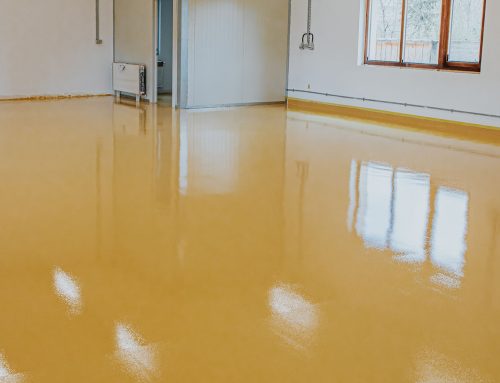
AZ Garage Floors offers 24 standard solid colors, which cover most residential and light commercial needs. The range includes warm and cool neutrals, deeper charcoals and blacks, and lighter options in the white and cream family, along with accent tones for spaces where the floor itself is part of a design decision.
Choosing well means thinking about context rather than the color in isolation. Consider these reference points:
- Your home’s exterior palette — the garage door, stucco, and trim colors all share visual space with the floor when the door is open
- Existing cabinets, storage systems, or workbench materials inside the garage
- Natural light levels — darker floors absorb light and can make a single-car garage feel smaller; lighter floors reflect it
- Whether the space will be photographed or used as a showroom (lighter and mid-tones photograph more cleanly)
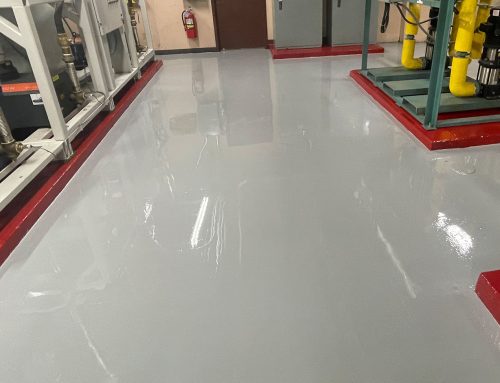
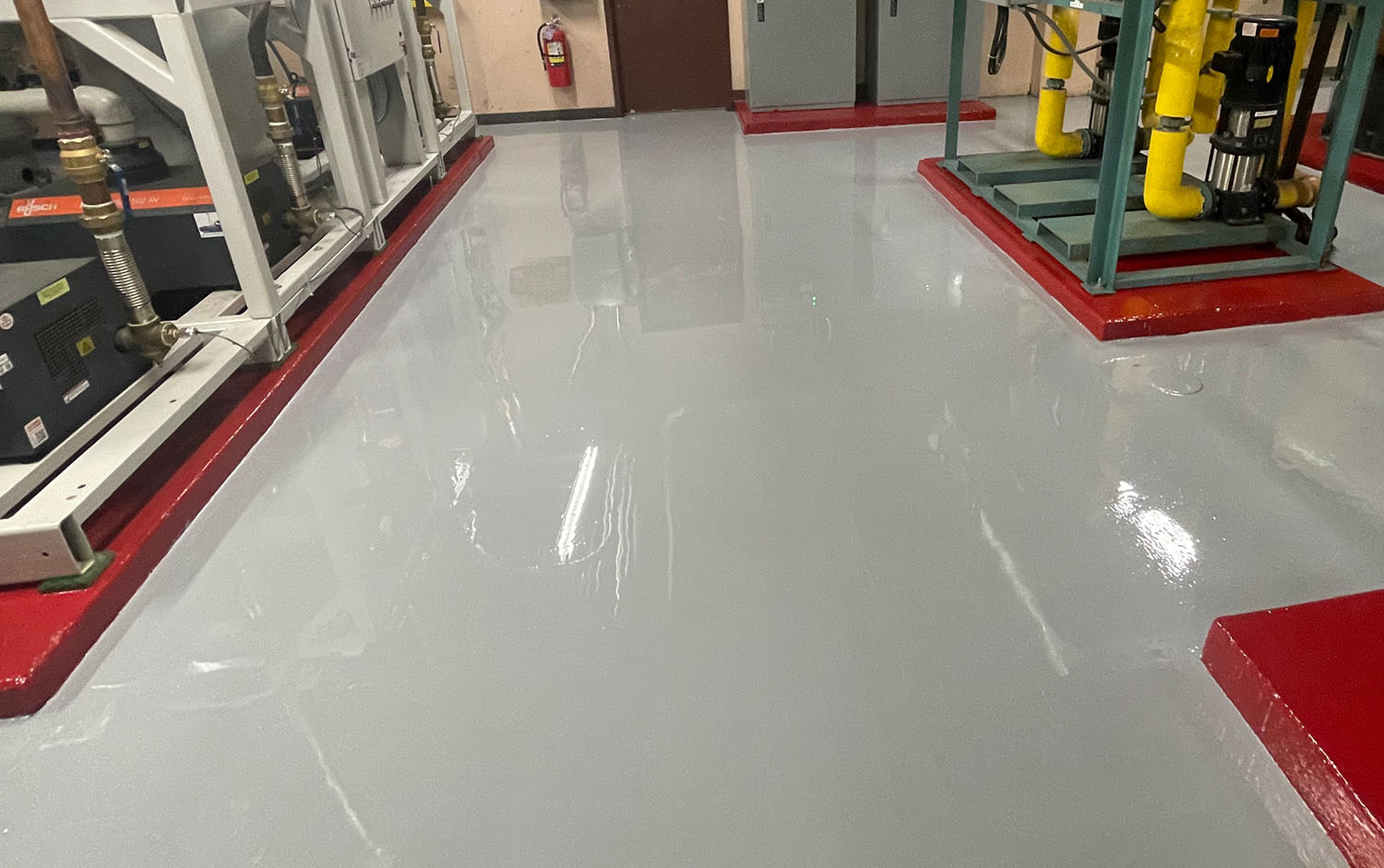
For commercial and industrial applications, safety colors are available — typically OSHA-standard yellows, reds, and greens used for aisle marking, hazard zones, or equipment staging areas. These can be applied as the full floor color or in combination with a neutral base.
One approach worth considering: bring a paint chip or photo of your interior color palette to the consultation. A floor color that coordinates with existing elements reads as intentional; one chosen independently of the space can feel disconnected even if it’s a quality finish.
Installation Timeline: What to Expect
The installation process for a solid-color epoxy system at AZ Garage Floors typically spans 1 to 4 days, depending on the garage’s size, the concrete’s current condition, and any required surface prep.
The general sequence looks like this:
- Surface preparation — grinding or shot-blasting to open the concrete pores
- Primer coat (pigmented epoxy base) — applied and allowed to cure
- Topcoat (pigmented polyurethane, CRU-246) — applied over the cured primer
- Cure period before use
Most homeowners can walk on the finished surface within two days. Vehicle traffic typically requires five days of cure time under standard conditions.
For homeowners who need a faster turnaround, the Fast-Poly 545 upgrade reduces the return-to-use window to 24–48 hours. That option is worth considering if you’re scheduling work around a trip, a home sale, or a commercial space that can’t be out of service for a full week.
Solid Color vs. Chip and Flake: Which Situation Fits Which Product
Solid color is not always the right answer — and being direct about that distinction helps you make a better decision.
Chip and flake systems, including Granitex and light chip options, are better suited for:
- Households with active use — kids, dogs, frequent vehicle traffic — where the texture pattern conceals everyday wear
- Homeowners who prefer a lower-maintenance visual standard; minor scuffs don’t stand out against a patterned surface
- Older slabs with surface imperfections that prep alone won’t fully eliminate
Solid color is the stronger choice when:
- The aesthetic goal is a seamless, minimalist, or showroom-quality look
- The space doubles as a gym, office, or photography studio
- You’re coordinating the floor with a recent renovation or modern interior design
- A commercial or professional setting requires a uniform, branded appearance
In 2026, the trend among Arizona homeowners — particularly those in newer construction neighborhoods around the metro — leans toward clean, solid finishes that treat the garage as an extension of the home rather than a utility space. That shift is what’s driving the increased interest in polished, uniform coatings over traditional chip systems.
Ready to See Color Samples?
The best way to narrow down your color selection is to see physical samples in your actual garage under your lighting conditions. What reads as “light gray” in a product photo can shift noticeably depending on whether your garage faces north or has a window on the south wall.
AZ Garage Floors works through this process with you during the consultation. If you’re looking at a solid-color epoxy garage floor in Phoenix, AZ, or anywhere across the metro, the starting point is an honest conversation about how the space gets used and what the finish needs to accomplish — not just how it looks in a catalog.
Frequently Asked Questions About Solid Color Epoxy Garage Floors
Sources
- UV exposure and annual sunny days in Phoenix — U.S. Climate Data / National Weather Service Phoenix: https://www.weather.gov/psr/
- Thermal cycling and concrete expansion in arid climates — Portland Cement Association: https://www.cement.org
- OSHA safety color standards for floor marking — Occupational Safety and Health Administration: https://www.osha.gov/laws-regs/regulations/standardnumber/1910/1910.144
About AZ Garage Floors
AZ Garage Floors is a family-owned concrete coating company serving Buckeye, Surprise, Peoria, Avondale, and Phoenix. With decades of combined experience and hundreds of residential and commercial installations, AZ Garage Floors offers a full spectrum of garage floor coatings — from decorative residential systems (solid color epoxy, Granitex chip systems, metallic epoxy) to industrial commercial solutions (epoxy mortar, heavy-duty polyaspartic, chemical-resistant and anti-slip systems). The company utilizes commercial-grade 2-part resin products, thorough substrate preparation, and performance-based specifications to ensure longevity and safety. AZ Garage Floors offers residential warranty options and commercial warranty terms tailored to the project’s scale and usage.