Arizona Garage Floor Coatings: What to Know
Arizona Heat and Garage Floor Coatings: What You Need to Know Before You Buy
Key Takeaways:
- Extreme Arizona temperatures can reach 140°F inside garages, causing low-quality coatings to soften, peel, or suffer from hot tire pickup.
- UV stability is mandatory for desert environments to prevent yellowing and chemical breakdown of the floor system.
- Professional polyaspartic systems offer superior thermal cycling resistance compared to standard DIY epoxy kits.
Living in the desert requires a different approach to home maintenance than almost anywhere else in the country. If you have spent a summer here, you know that the sun is not just bright; it is a physical force. This environment creates a unique set of challenges for homeowners looking to protect their concrete. Specifically, heat damage from Arizona garage floor coatings is a common issue when the wrong materials or application methods are used. While a standard coating might work well in a temperate climate, the extreme thermal demands of our region can cause inferior products to fail within a single season.
Many people assume that any epoxy or resin will provide a durable finish. However, the chemistry of the coating must be specifically engineered to withstand ambient temperatures that frequently exceed 110°F. When you pull a car into a garage after driving on asphalt that has reached 160°F, the tires transfer that concentrated heat directly to the floor. Without a system designed for these conditions, the coating can soften and eventually pull away from the concrete. Understanding these variables is the first step toward making a smart investment for your home in 2026.
How Arizona’s Extreme Heat Affects Coating Performance
The primary challenge for any floor system in our area is the sheer volume of heat energy the concrete absorbs. Concrete acts as a thermal mass, soaking up heat throughout the day and releasing it slowly at night. In an enclosed garage, this creates an oven-like effect where the floor surface temperature remains high for extended periods. This constant heat exposure tests the chemical bonds of the coating every hour of every day.
Hot Tire Pickup and Softening
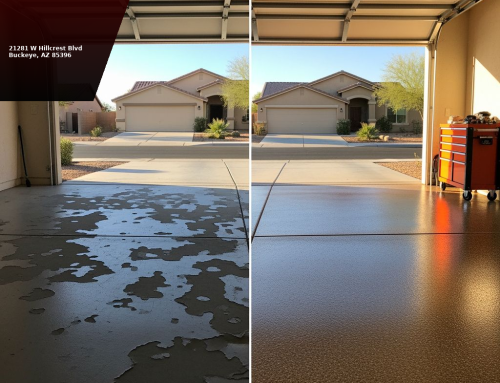
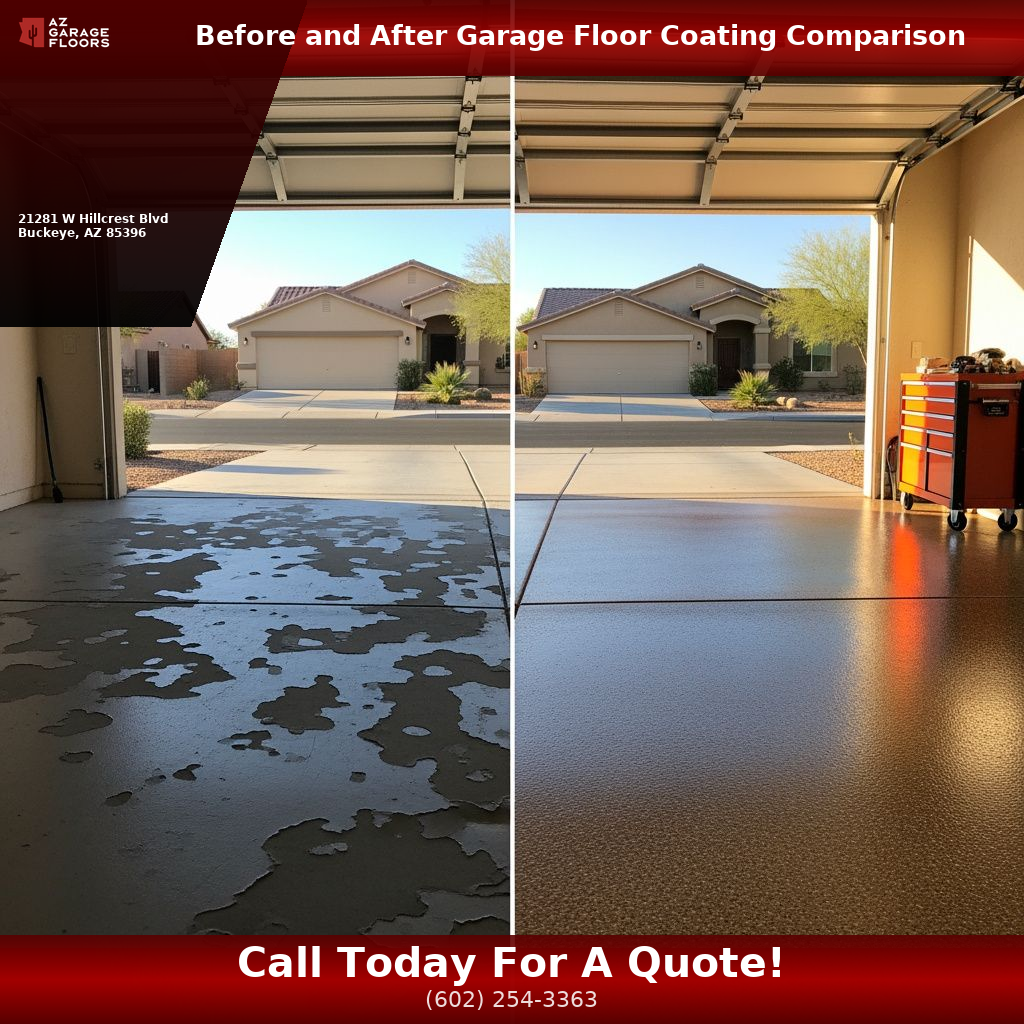
One of the most visible signs of failure in a desert garage is hot tire pickup. This occurs when the heat from your tires softens the coating to the point where it becomes pliable. As the tires cool, they bond to the softened resin. When you next move the vehicle, the tires literally peel the coating off the concrete. Specifically, water-based epoxies or cheap DIY kits are highly susceptible to this because they have a low glass transition temperature. Professional systems use commercial-grade 2-part resin bases that maintain their structural integrity even when subjected to the extreme heat of high-performance tires.
Chemical Breakdown at High Temperatures
Heat acts as a catalyst for chemical reactions, and not always the good kind. In low-quality coatings, sustained high temperatures can lead to a process called outgassing or even the premature breakdown of the polymer chains. This results in a floor that becomes brittle or develops small bubbles and blisters. Since the heat in a typical Phoenix or Tucson garage can stay above 100°F for months at a time, the coating must have a high degree of thermal stability. If the material was not formulated for these specific stressors, the finish will eventually lose its gloss and structural strength.
UV Stability: The Hidden Coating Killer
While the heat inside the garage is a major concern, the UV radiation that hits the apron and the entrance of the garage is equally destructive. Arizona receives some of the highest levels of UV radiation in the United States. Many homeowners do not realize that standard epoxy is naturally sensitive to light. When exposed to the sun, the chemical structure of epoxy begins to degrade. This leads to a variety of aesthetic and functional problems that can ruin the appearance of your garage.
Understanding Photodegradation
Photodegradation is the technical term for the damage caused by sunlight. In the context of floor coatings, UV rays break the molecular bonds in the resin. This usually manifests first as yellowing, where a clear or light-colored floor takes on an unattractive amber hue. Beyond the color change, the surface may begin to “chalk,” leaving a powdery residue when you touch it. This chalking is a sign that the top layer of the coating is literally disintegrating. Once this process begins, the floor becomes harder to clean and much more vulnerable to staining and abrasion.
The Importance of Polyaspartic Topcoats
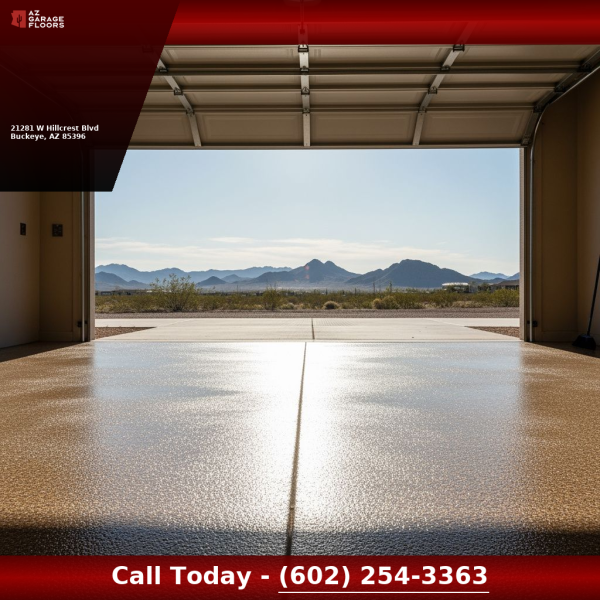
To combat the intense sun, a UV-stable topcoat is essential. Polyaspartic coatings were originally developed for industrial use on bridges and railcars specifically because they do not yellow or degrade under direct sunlight. Unlike epoxy, which is best kept in the shade, a polyaspartic system can handle the sunlight streaming through an open garage door without losing its clarity or strength. By using a 100% solids polyaspartic topcoat, you ensure that the entrance to your garage stays as pristine as the back corners, regardless of how much sun it receives.
Thermal Cycling: Expansion and Contraction Stress
Arizona is famous for its wide temperature swings. It is not uncommon to see a 40-degree difference between the heat of the afternoon and the cool of the desert night. This creates a phenomenon known as thermal cycling. As temperatures rise, the concrete slab expands. As it cools, it contracts. If a floor coating is too rigid, it cannot move with the concrete. This mismatch in expansion rates creates massive amounts of internal stress at the bond line between the resin and the slab.
Daily Temperature Swings in the Desert
The stress caused by daily expansion and contraction is a silent killer of floor coatings. Over time, these micro-movements can cause a brittle coating to crack or delaminate. High-quality systems are engineered to have a degree of flexibility that allows them to “breathe” with the concrete. This elasticity prevents the floor from shattering or peeling when temperatures drop rapidly during a monsoon storm or a cold winter night. A coating that stays flexible while remaining hard enough to resist scratches is the hallmark of a professionally installed system.
Adhesion Challenges on Concrete Substrates
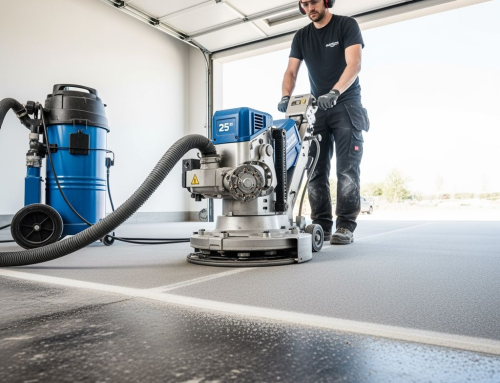
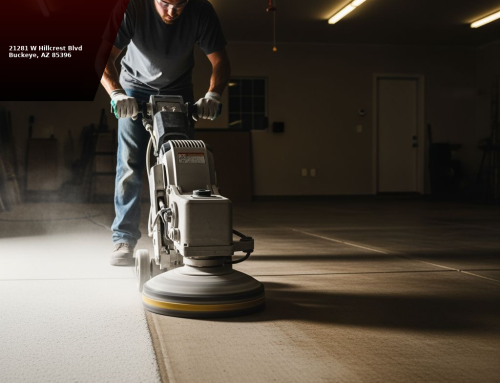
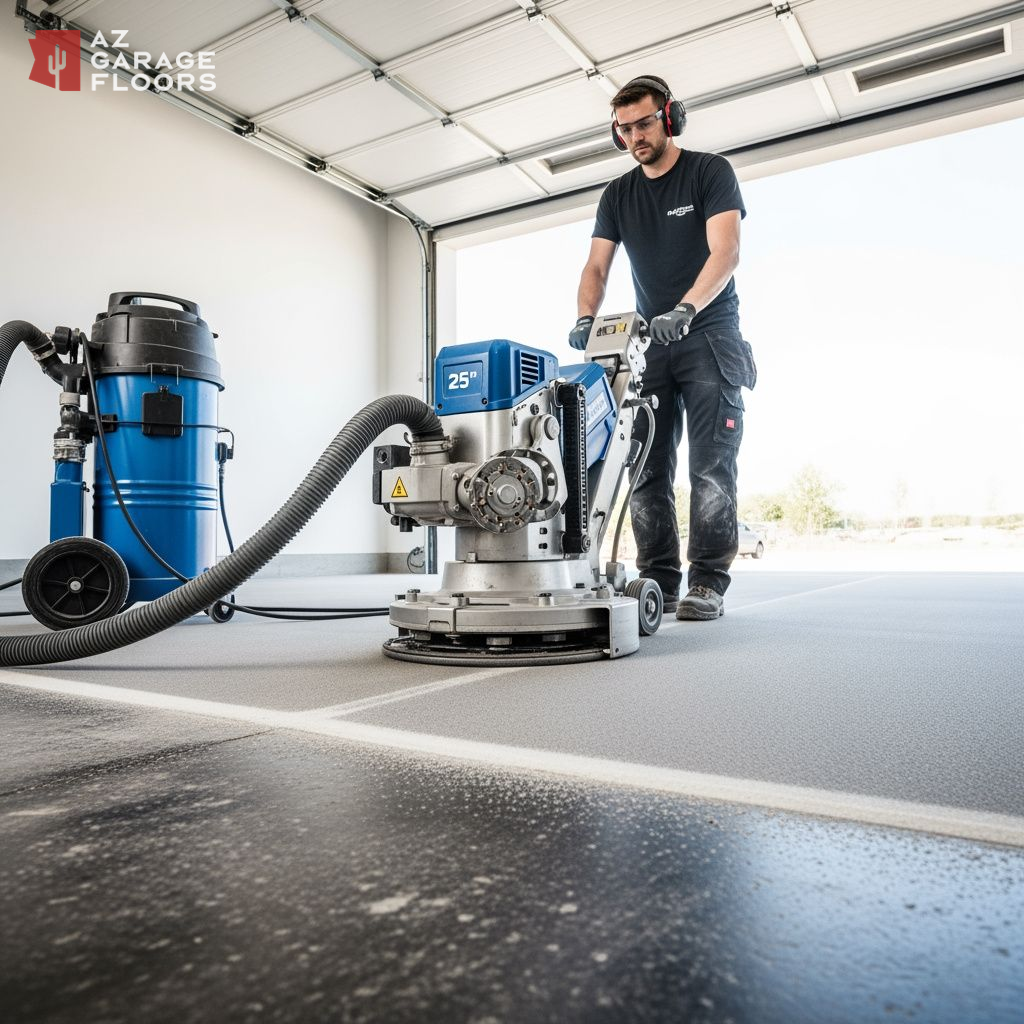
For a coating to survive thermal cycling, the initial bond must be incredibly strong. This is why surface preparation is the most critical part of the installation process. In Arizona, the concrete is often very dry and porous, which can be an advantage if the surface is opened up correctly through diamond grinding. However, if the coating is simply rolled onto a smooth floor, the thermal stress will eventually pop the resin right off the surface. A professional installation involves mechanical grinding to create a “profile” that allows the resin to sink deep into the concrete, creating a mechanical lock that can withstand the forces of expansion and contraction.
Choosing Heat-Resistant Systems for Arizona
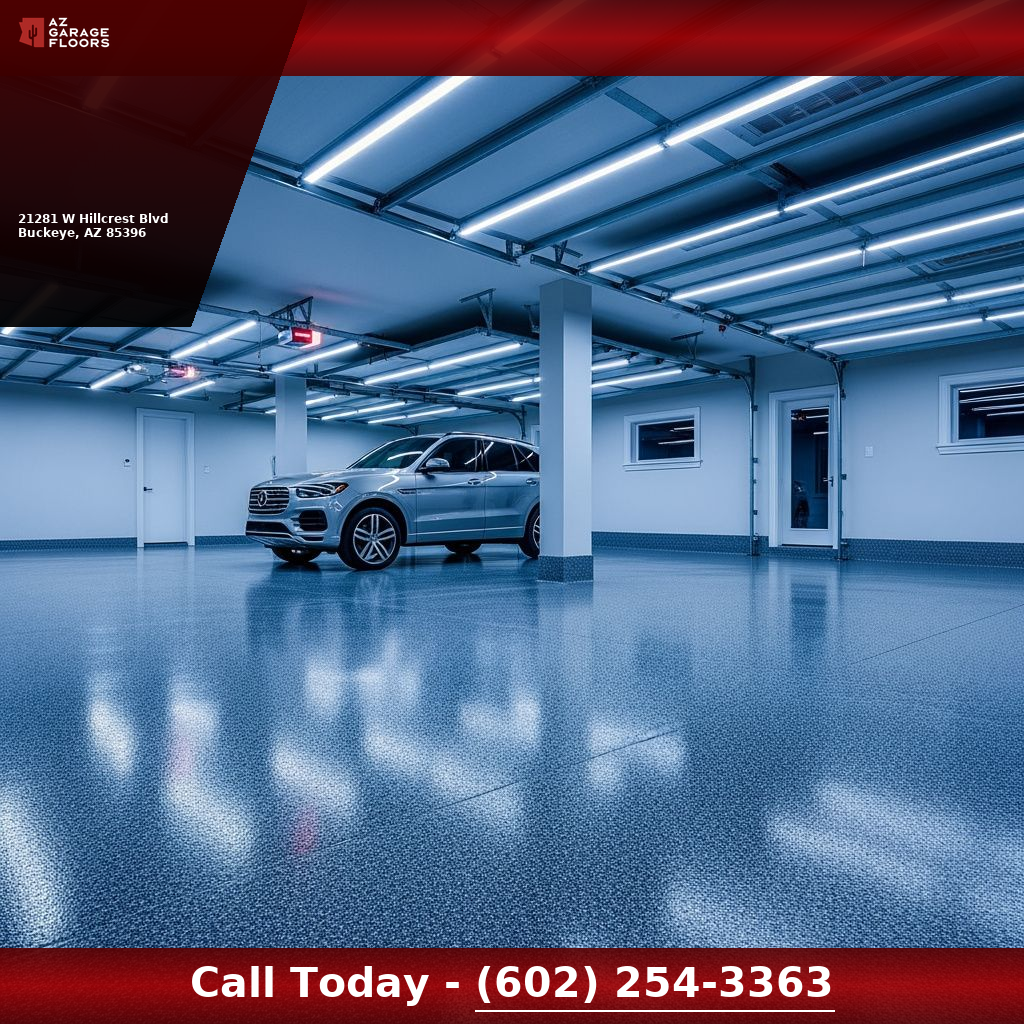
When selecting a floor for your home, you must look beyond the color and the price tag. You need to evaluate the technical specifications of the materials. In 2026, the standard for a high-performance garage is a multi-layer system that utilizes the strengths of different resins. For example, a 2-part resin base provides the deep adhesion needed for the foundation, while a polyaspartic layer provides the heat and UV resistance required for the surface. This combination mitigates heat damage in Arizona garage floors through intelligent material selection.
Benefits of Commercial-Grade Resin Bases
Most retail products available to the general public are thinned out with water or solvents to make them easier to apply for a novice. Unfortunately, this also makes them much weaker. Professional contractors like AZ Garage Floors use industrial-strength, 100% solids resins. These materials have a much higher density of cross-linking at the molecular level. This density provides resistance to chemicals, oils, and, most importantly, the high-temperature environment of a desert garage. While these materials require more skill to apply correctly, the result is a floor that can last for decades.
Multi-Layer Polyaspartic Systems
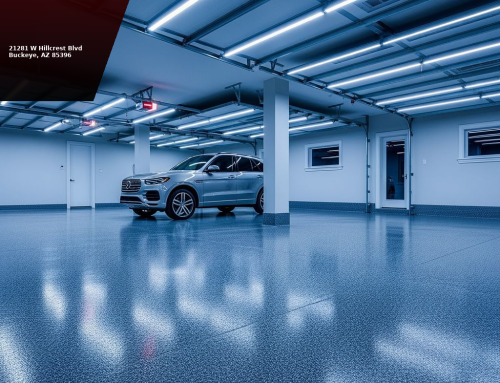
A truly heat-resistant floor is not just a single layer of paint. It is a system designed to work together. The bottom layer bonds to the concrete, the middle layer provides the color and flake texture, and the top layer acts as a shield. Specifically, the polyaspartic top layer is the workhorse of the system. It offers a very high melting point and is virtually unaffected by the UV rays that would destroy a standard epoxy. This layering approach allows each material to do what it does best, resulting in a floor that is both beautiful and incredibly tough.
Local Expertise Makes the Difference
Choosing a contractor who understands the local climate is just as important as choosing the right materials. Arizona’s weather presents specific windows for installation that a national franchise or a general handyman might not recognize. Austin Byrum and the team at AZ Garage Floors bring over 30 years of local experience to every project. This longevity in the market means they have seen every type of failure caused by our heat and have refined their processes to prevent them.
Installation Timing and Humidity Control
The timing of an installation in Arizona can significantly impact the final result. During the summer, the “pot life” of the resin—the time it stays liquid enough to work with—is drastically reduced. An experienced crew knows how to manage the temperature of the materials and the slab to ensure a perfect application. Additionally, even though we live in a dry climate, humidity spikes during the monsoon season can affect how certain resins cure. A local expert will monitor these conditions and adjust the installation schedule or the chemical mix to ensure the bond is successful.
Why a Lifetime Warranty Matters in 2026
When a company offers a lifetime warranty in the Arizona market, it is a statement of confidence in their materials and their process. It means the system has been tested against the most extreme heat and has proven its durability. For a homeowner, this warranty provides peace of mind that their investment is protected against the specific challenges of our environment. Locally, the value of a home is often tied to the quality of its maintenance, and a pristine, professionally coated garage floor is a major selling point.
Criteria for Evaluating Local Contractors
If you are researching providers, look for these specific indicators of expertise. First, ask whether they use a diamond grinding process or rely on acid etching. In our region, diamond grinding is the only reliable way to prepare a slab. Second, verify that they are using a 100% solids polyaspartic topcoat rather than a simple epoxy. Finally, consider their history in the community. A company that has survived 30 years of Arizona summers knows exactly what it takes to build a floor that lasts.
Maintenance Tips for Desert Conditions
Once your floor is installed, keeping it in top shape is relatively simple. Even though professional coatings are heat-resistant, it is still a good idea to keep the garage as cool as possible. Simple steps like adding insulation to the garage door or ensuring proper ventilation can help lower the ambient temperature. For cleaning, avoid harsh chemicals or acidic cleaners. A simple mixture of mild soap and water is usually all that is needed to maintain the high-gloss finish. Because the surface is non-porous, dirt and dust from the desert won’t “set” into the floor, making it much easier to keep clean than bare concrete.
Understanding the Investment
A high-quality garage floor coating is an investment in your home’s infrastructure. While the upfront cost of a professional system is higher than a DIY kit, the long-term value is much greater. A cheap coating that fails after two years requires a costly removal process before a new floor can be installed. By choosing the right materials and an experienced local contractor from the start, you save money and frustration over the life of your home. In the harsh environment of Arizona, doing it right the first time is the only way to ensure lasting success.
Final Thoughts on Heat Protection
Protecting your garage floor from the Arizona sun requires more than just a coat of paint. It requires a deep understanding of chemistry, physics, and local weather patterns. By focusing on UV stability, thermal cycling resistance, and professional-grade materials, you can create a space that is as durable as it is attractive. Whether you use your garage as a workshop, a gym, or simply a place to park your car, a heat-resistant coating is the best way to preserve your concrete for years to come.
Frequently Asked Questions About Garage Floor Coating Heat Damage
Sources
- Impact of High Temperatures on Polymer Coatings, NACE International (https://www.ampp.org)
- Concrete Thermal Expansion and Contraction, American Concrete Institute (https://www.concrete.org)
- UV Degradation of Epoxy Resins, Wikipedia (https://en.wikipedia.org/wiki/Epoxy#Degradation)
About AZ Garage Floors
AZ Garage Floors is a family-owned concrete coating company serving Buckeye, Surprise, Peoria, Avondale, and Phoenix. With decades of combined experience and hundreds of residential and commercial installations, AZ Garage Floors offers a full spectrum of garage floor coatings — from decorative residential systems (solid color epoxy, Granitex chip systems, metallic epoxy) to industrial commercial solutions (epoxy mortar, heavy-duty polyaspartic, chemical-resistant and anti-slip systems). The company utilizes commercial-grade 2-part resin products, thorough substrate preparation, and performance-based specifications to ensure longevity and safety. AZ Garage Floors offers residential warranty options and commercial warranty terms tailored to the project’s scale and usage.