 ★ 4.7 · 89 reviews
Shopping for a garage floor, you’ll hear both “polyaspartic” and “polyurea” — often as if they’re the same thing. They’re related, but they play different roles, and the best floors use both. Here’s the difference. (See our full polyaspartic guide and polyurea page.)
The Short Version
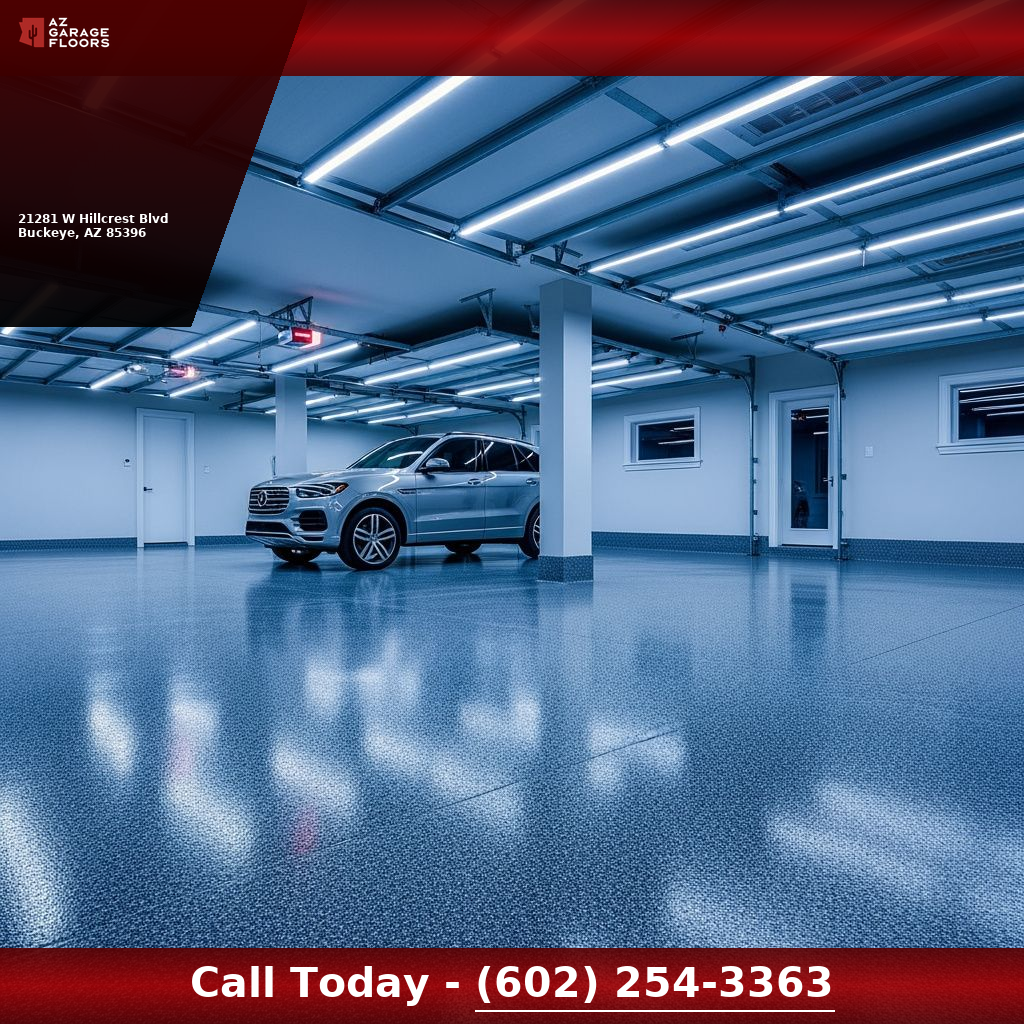
Polyurea is the flexible, ultra-tough basecoat. Polyaspartic is the UV-stable topcoat. Polyurea (technically, polyaspartic is a slower-reacting type of polyurea) brings extreme strength and flexibility but can yellow in the sun on its own. Polyaspartic holds color under UV and gives a high-gloss finish. Layer them — polyurea base, polyaspartic top — and you get the strength of one and the sun-resistance of the other.
When Each Matters
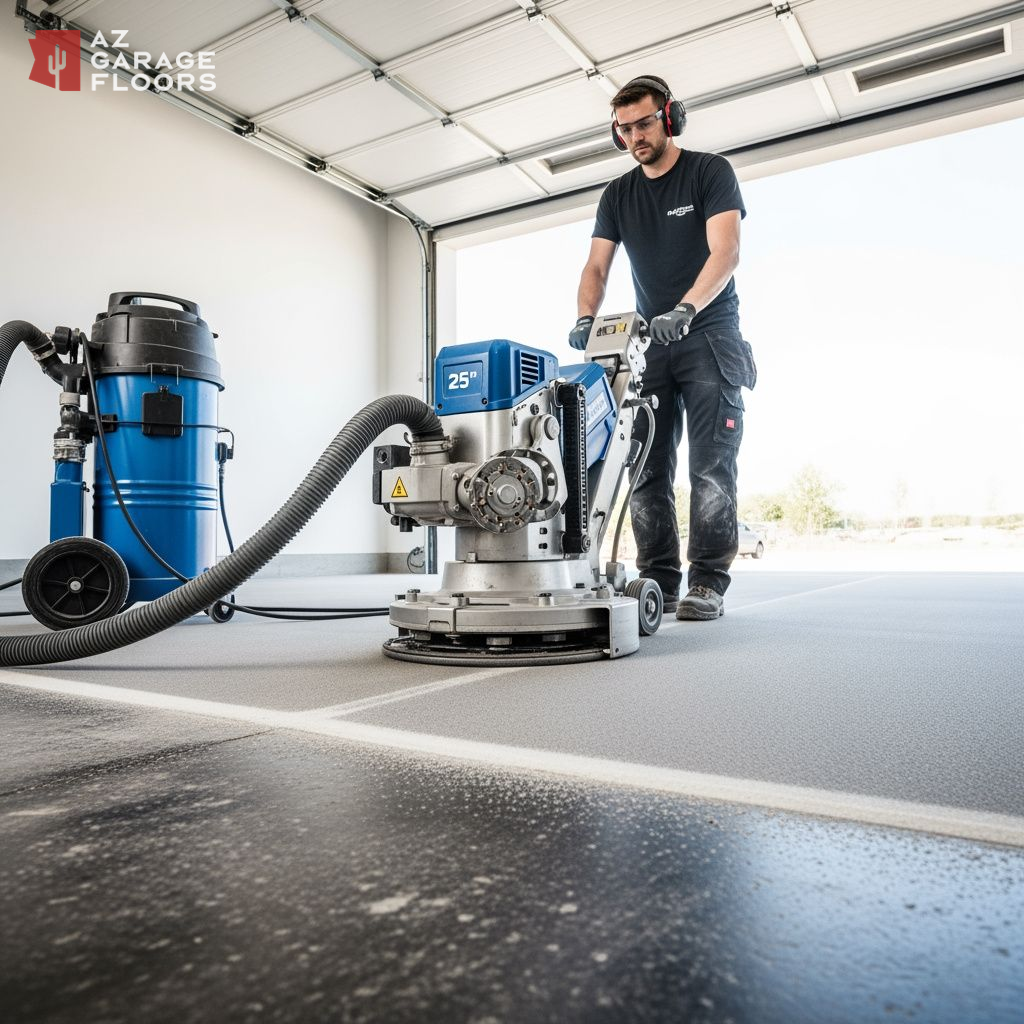
- Polyurea base: maximum bond, flexibility, and impact resistance — the foundation.
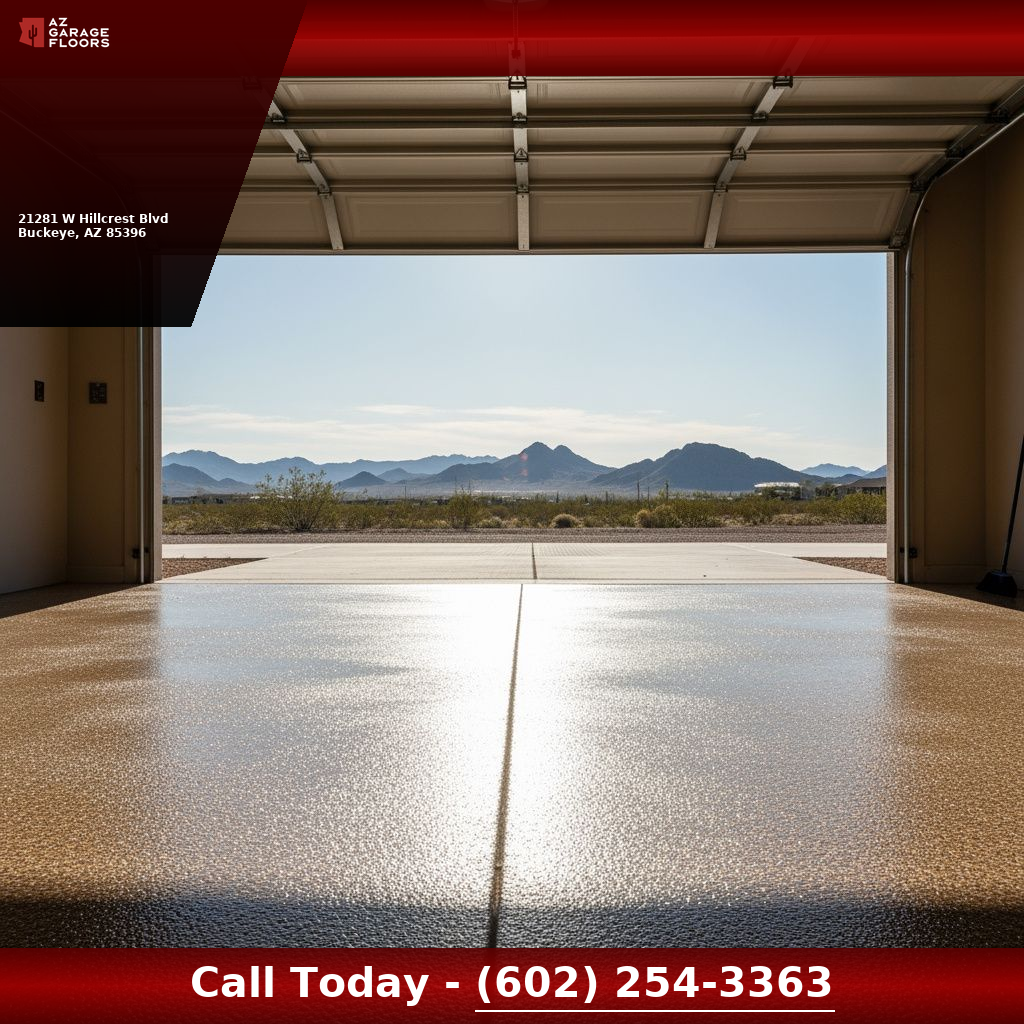
- Polyaspartic top: UV stability (no yellowing), gloss, and color-hold — the protection.
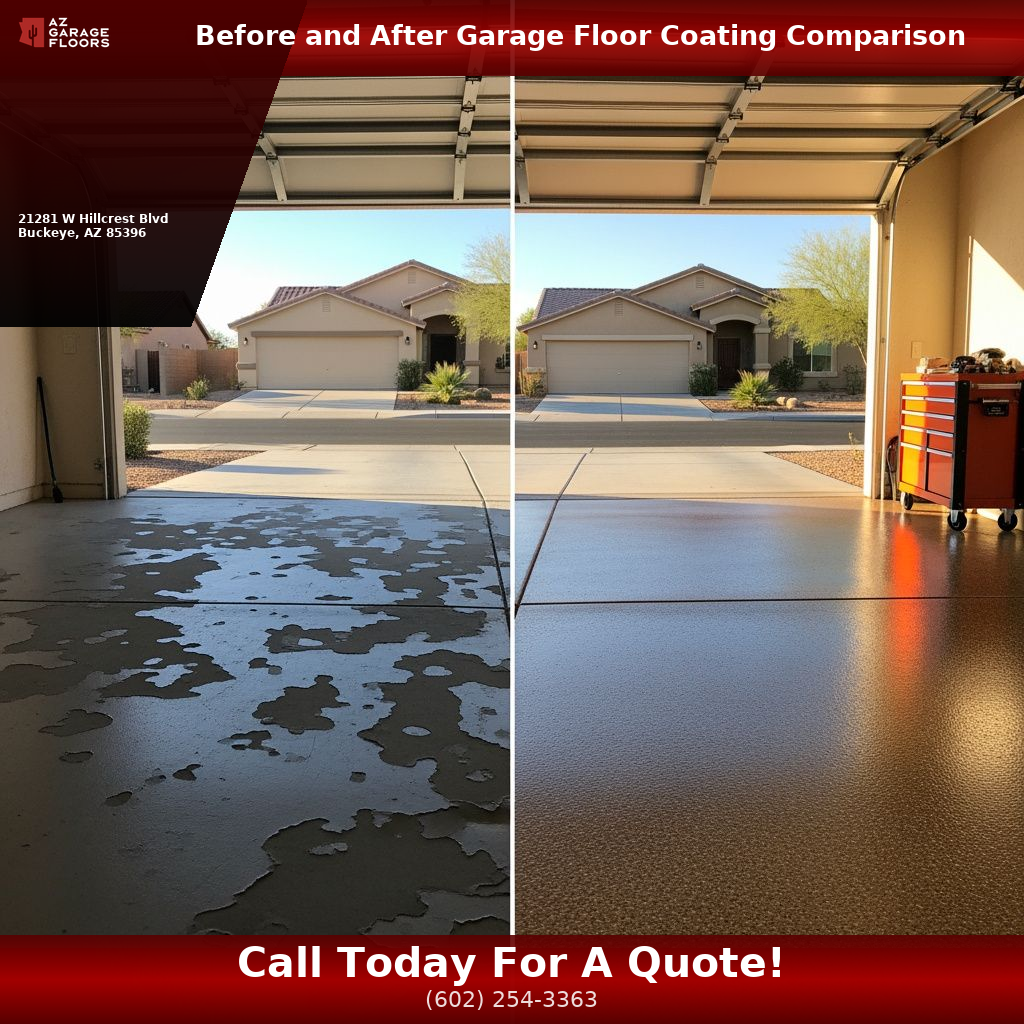
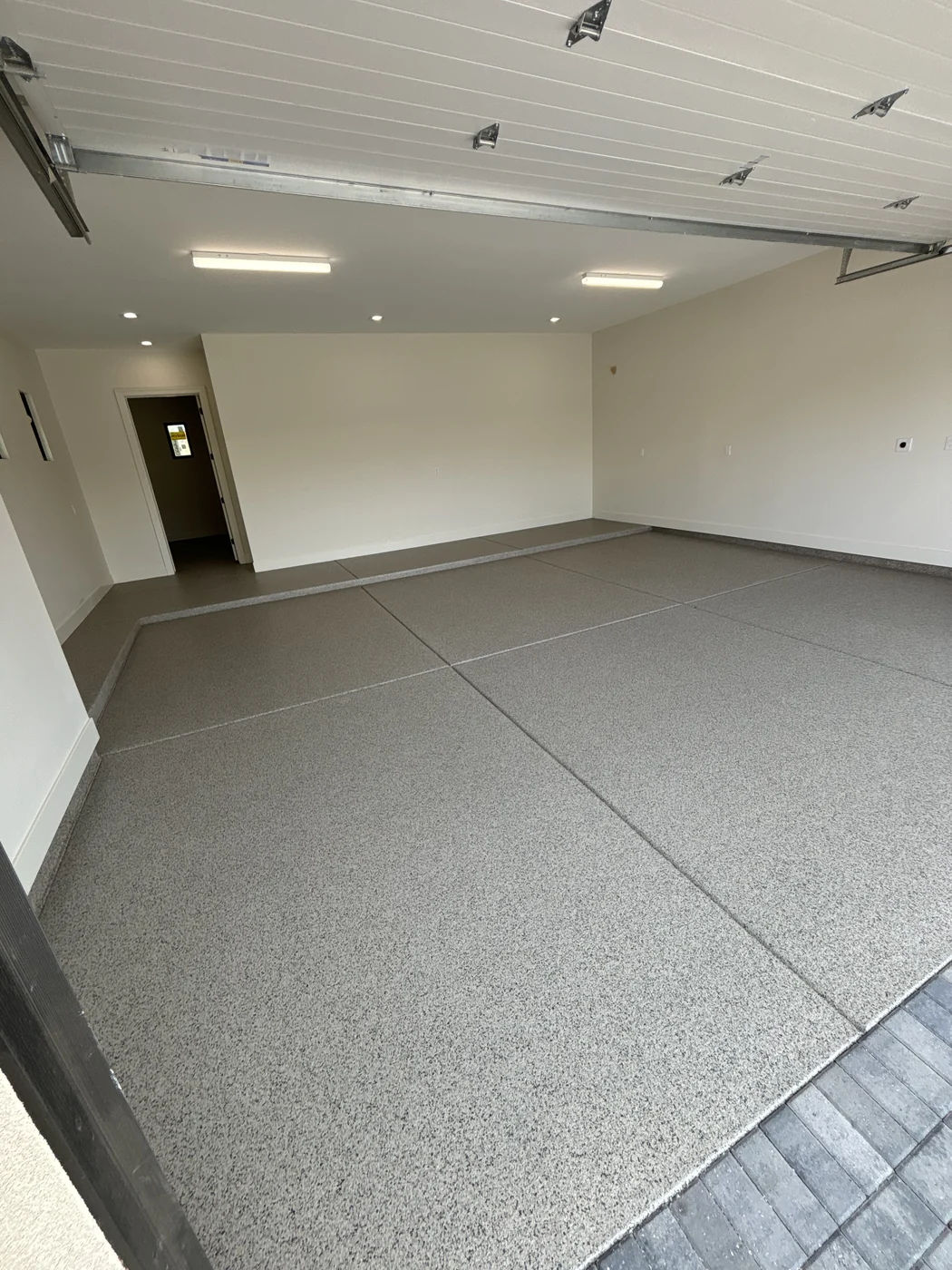
- Together: the premium garage system — tough underneath, sun-proof on top, installed in about a day.
So it’s not really “which is better” — the best answer is a system that uses both.
Poly vs Polyurea FAQs
Explore More on Polyaspartic Coatings
Thinking About a Polyaspartic Floor?
Get a free, no-pressure quote and honest advice. Or read the full polyaspartic garage floor guide. Family-owned since 1995 · ROC #168150.
or call (602) 254-3363